 Save
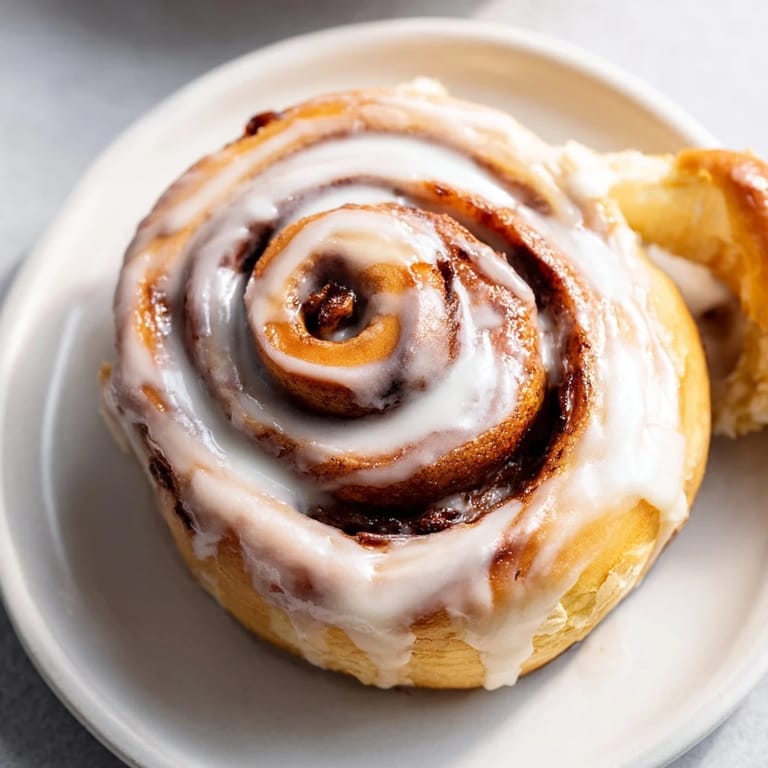
Save There's something about the smell of cinnamon rolls baking on a Saturday morning that makes everything feel possible. My neighbor once described it as the scent equivalent of a warm hug, and honestly, she wasn't wrong. I stumbled into making these from scratch years ago when a box mix turned out dry and disappointing, so I decided to figure it out the real way. That first batch taught me that patience and butter are the secrets to rolls that are impossibly soft inside with spirals you can actually see.
I'll never forget bringing a tray of these to a Sunday potluck where someone had already contributed store-bought cinnamon rolls. Mine were gone within twenty minutes while theirs sat untouched. It wasn't arrogance that made me smile—it was the realization that homemade food carries something store versions just can't replicate, a kind of care that people taste immediately.
Ingredients
- All-purpose flour (4 cups): The foundation that traps air and creates that tender crumb; weigh it if you can, because scooping compacts it and throws off your ratios.
- Active dry yeast (1 packet): Make sure it's fresh and your milk is only lukewarm, never hot, or you'll kill the yeast before it starts working.
- Whole milk (1 cup, lukewarm): The fat content matters here; skim milk will give you rolls that feel more like bread, while whole milk creates that tender, almost custardy crumb.
- Granulated sugar (⅓ cup): This feeds the yeast and sweetens the dough just enough without making it candy.
- Unsalted butter (¼ cup, melted for dough): Melted butter incorporates smoothly into wet ingredients; cold butter would clump and never distribute evenly.
- Large egg (room temperature): Cold eggs will shock the dough; leave it out for twenty minutes so it blends seamlessly and adds richness without breaking the dough.
- Salt (½ tsp): This prevents the dough from becoming a shapeless mass and enhances the sweetness of everything else.
- Brown sugar (½ cup, packed): Brown sugar's molasses adds depth that white sugar can't match; pack it down so every roll gets even distribution.
- Ground cinnamon (2 tbsp): Don't skimp here, and check the date on your jar because old cinnamon tastes like dust masquerading as spice.
- Unsalted butter (¼ cup, softened for filling): Softened butter spreads evenly without tearing the dough; if it's too cold, it'll rip holes right through.
- Powdered sugar (1 cup): This dissolves into the glaze and creates that silky coating that pools slightly between rolls.
- Milk (2–3 tbsp for glaze): Start with two tablespoons and add more a teaspoon at a time until the glaze reaches the right drizzly consistency.
- Pure vanilla extract (½ tsp): The real stuff makes all the difference in the glaze; imitation extract tastes almost chemical by comparison.
Tired of Takeout? 🥡
Get 10 meals you can make faster than delivery arrives. Seriously.
One email. No spam. Unsubscribe anytime.
Instructions
- Activate the yeast:
- Pour the lukewarm milk over the yeast in a small bowl and let it sit undisturbed for five minutes. You'll know it's working when the mixture smells yeasty and looks slightly foamy on top.
- Build the dough:
- Combine flour, sugar, and salt in a large bowl, then add the melted butter, egg, and yeast mixture all at once. Stir until shaggy pieces form and there's no dry flour hiding at the bottom.
- Knead until silky:
- First rise:
- Place the dough in a greased bowl, cover it loosely with a damp towel, and set it somewhere warm and undisturbed. It needs about an hour to double in size; a turned-off oven or a sunny windowsill both work well.
- Roll out the dough:
- Push down the puffy dough with your fists, then roll it into a 16x12 inch rectangle on a floured surface. The thickness should be even, roughly a quarter-inch thick, or your rolls will bake unevenly.
- Fill with cinnamon sugar:
- Spread the softened butter over the entire rectangle, then mix the brown sugar and cinnamon and sprinkle it generously across the buttered surface. Leave about a quarter-inch border on all sides so the filling doesn't squeeze out.
- Roll into a log:
- Starting from the long side closest to you, roll the dough tightly toward yourself, creating tension as you go so the rolls hold their spiral shape. When you reach the end, pinch the seam closed.
- Cut into equal pieces:
- Use a sharp serrated knife dipped in water to cut the log into twelve equal rolls, or use unflavored dental floss held taut and pressed down through the dough for the cleanest cuts that don't compress the delicate spirals.
- Second rise:
- Arrange the rolls in a greased 9x13 inch baking dish, cover loosely, and let them rise for thirty to forty-five minutes in a warm place. They should puff up and start touching each other slightly, which keeps them from browning too fast.
- Bake until golden:
- Preheat the oven to 350°F, then bake the rolls for twenty-two to twenty-five minutes, until the tops are golden brown and a gentle poke springs back quickly. The bottoms should be lightly golden too if you peek underneath.
- Glaze while warm:
- Whisk the powdered sugar, milk, and vanilla together until smooth, then drizzle it over the warm rolls so it pools into the crevices and sets into a thin, sweet coating.
 Save
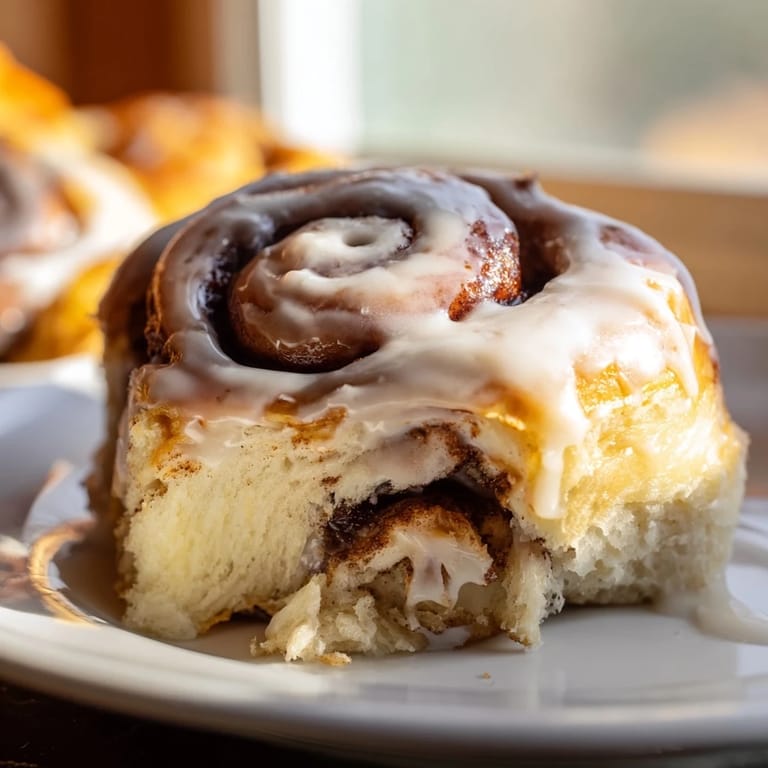
Save I once made these rolls while my sister was going through a rough breakup, and watching her face light up on that first bite—the way she closed her eyes and actually smiled—reminded me that sometimes the most meaningful gift is simply showing up with warm food made with care. Cinnamon rolls are breakfast, but they're also comfort, apology, celebration, and hello all rolled into one.
Why This Recipe Works
The balance between the sweet dough and the spiced filling depends entirely on butter and proper timing. Too much yeast and the rolls rise too quickly and collapse; too little and they stay dense even after hours. This ratio hits the sweet spot where the dough rises predictably, creating that cloud-soft texture people crave. The cinnamon-sugar filling needs softened butter to spread without resistance, and brown sugar adds molasses notes that white sugar never captures.
Timing and Patience
The hardest part isn't technique—it's accepting that good cinnamon rolls take time. The two-hour total includes rising, which you can't rush, but you can definitely work around it. While the dough rises the first time, do laundry, answer emails, or sit outside for a bit. The waiting isn't wasted time; it's when the dough becomes what it needs to be. I've learned that trying to speed things up with extra yeast or heat just creates dense, gummy rolls that deflate by lunchtime.
Storage and Reheating
Fresh rolls are peak magic, but these keep beautifully in an airtight container for two days and reheat like nothing happened. Wrap a roll loosely in foil and warm it in a 300°F oven for about eight minutes, and it tastes almost as good as fresh. For longer storage, freeze the unbaked rolls after the second rise, then bake directly from frozen (adding a few extra minutes) when you want fresh cinnamon rolls with almost no effort.
- Never store these in the refrigerator; cold temperatures dry them out and make them taste stale.
- If you're doubling the recipe, bake them in two separate dishes or rotate them halfway through for even browning.
- A wooden cinnamon roll or sticky bun separator keeps the rolls from squishing during storage.
 Save
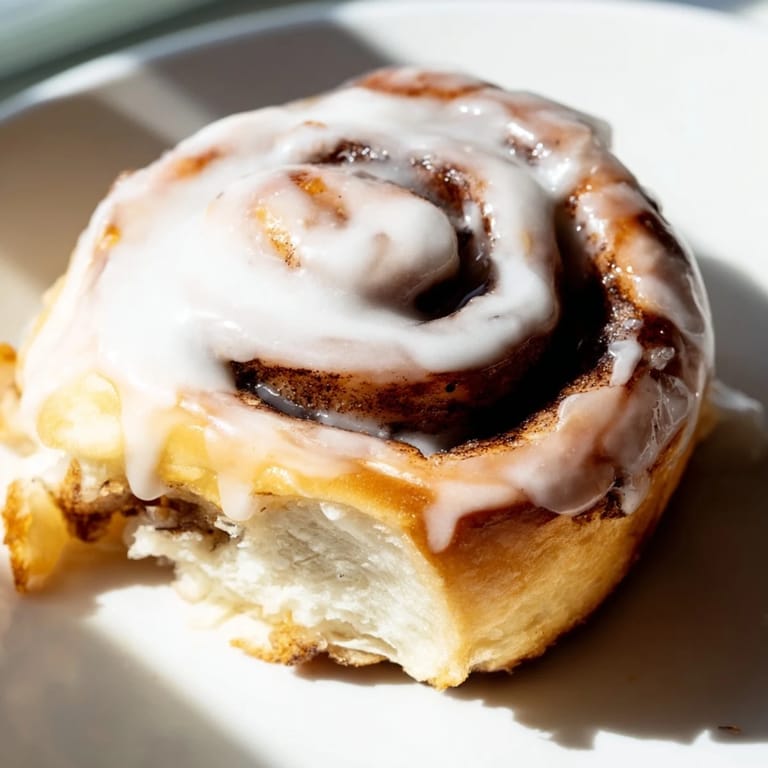
Save Baking cinnamon rolls at home transforms a simple breakfast into a moment of intentionality. There's something deeply satisfying about pulling a golden tray from the oven and knowing that every element—every spiral, every sweet layer—came from your own hands.
Recipe Questions & Answers
- → How do I achieve soft and fluffy buns?
Use lukewarm milk to activate yeast properly, knead the dough until smooth and elastic, and allow sufficient rising time in a warm place for a light texture.
- → Can I add nuts or fruits to the filling?
Yes, chopped nuts or raisins can be incorporated into the cinnamon sugar filling to provide extra texture and flavor.
- → What is the best way to slice the rolled dough?
Use a serrated knife or dental floss for clean slices without squashing the spiral layers.
- → How thick should the glaze be?
Whisk powdered sugar with milk and vanilla until smooth and slightly runny enough to drizzle evenly over warm buns.
- → Can I prepare the dough in advance?
The dough can be prepared ahead and refrigerated after the first rise, allowing for slower fermentation and enhanced flavor.