 Save
Save My cousin's daughter was turning eight, and her mother wanted something special for the Communion celebration—something that looked like it belonged in a fancy bakery but tasted like home. I'd never worked with fondant before, so there was this nervous energy in my kitchen the morning of the party, flour dust catching the sunlight as I creamed butter and sugar, wondering if I could actually pull off something this elegant. But there's something about baking for a milestone moment that settles your hands and sharpens your focus.
When I pulled that cake out of the oven and it smelled like vanilla and butter filling my small kitchen, I called my sister over to see it cooling on the rack. She watched me nervously roll out the fondant, and when I draped it over the cake without a single wrinkle, we both just stood there grinning like I'd performed actual magic. That's when I realized this wasn't just about the cake anymore—it was about doing something beautiful for someone you love.
Ingredients
- All-purpose flour: Three cups gives the cake its tender structure without being dense, and measuring by weight keeps everything consistent.
- Baking powder: Two and a half teaspoons provides lift without any bitter aftertaste.
- Granulated sugar and softened butter: Two cups sugar and one cup butter, creamed together for three minutes, create that light, fluffy crumb that makes people reach for seconds.
- Room temperature eggs: Four large eggs incorporate more smoothly when they're not cold, giving you a silkier batter.
- Pure vanilla extract: One tablespoon (never the imitation) adds warmth without being obvious about it.
- Whole milk: One and a quarter cups alternated with the flour keeps the batter from becoming dense or rubbery.
- Unsalted butter for buttercream: One cup softened butter is your base for a frosting that's sturdy enough to hold fondant.
- Powdered sugar, sifted: Four cups sifted (not just stirred) prevents lumps that catch your brush later.
- White ready-to-roll fondant: Two pounds is enough to cover a half-sheet pan with some left over for mistakes.
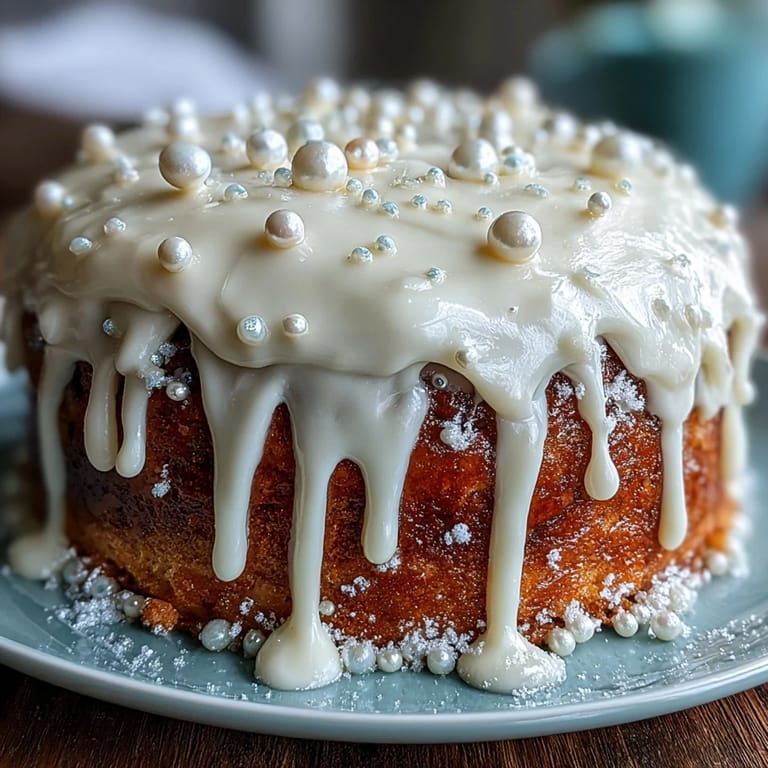
- Pearl luster dust: This gives that luminous, elegant shimmer that catches light beautifully.
- Edible pearls or sugar pearls: Optional, but they add dimensional detail that transforms the cake from pretty to memorable.
Tired of Takeout? 🥡
Get 10 meals you can make faster than delivery arrives. Seriously.
One email. No spam. Unsubscribe anytime.
Instructions
- Prepare your pan and preheat:
- Set your oven to 350°F and grease a 12x18-inch sheet pan, then line it with parchment paper so nothing sticks where it shouldn't. This step takes thirty seconds but saves you heartbreak later.
- Mix your dry ingredients:
- Whisk together the flour, baking powder, and salt in a medium bowl, then set it aside. This distributes the leavening evenly and prevents any metallic baking powder taste.
- Cream butter and sugar:
- In your mixer, beat the softened butter and sugar together for about three minutes until it's pale and fluffy—you're incorporating air that will make the cake light. Stop and scrape the bowl halfway through.
- Add eggs one at a time:
- Drop in one egg, beat well, then repeat with the remaining three eggs, mixing completely after each one. This takes patience, but each egg emulsifies differently when it goes in solo.
- Mix in vanilla:
- Add your vanilla extract and beat just until it disappears into the batter.
- Alternate dry and wet ingredients:
- Add one third of the flour mixture, mix gently, then add half the milk, then another third of the flour, then the remaining milk, then the last of the flour. Begin and end with flour—this prevents the batter from becoming grainy or overmixed.
- Bake the cake:
- Pour the batter into your prepared pan, smooth the top gently with a spatula, and bake for 30 to 35 minutes until a toothpick inserted in the center comes out clean. The kitchen will smell incredible.
- Cool properly:
- Let the cake rest in the pan for ten minutes so it can set, then turn it out onto a wire rack to cool completely. This usually takes about an hour, and patience here prevents a warm-cake disaster.
- Make your buttercream:
- Beat softened butter until it's creamy, then gradually add your sifted powdered sugar along with the milk, vanilla, and salt. The sifting really matters here—it keeps the frosting smooth and prevents gritty texture.
- Frost the cooled cake:
- Once the cake is completely cool, spread a thin, even layer of buttercream over the top and sides. This acts as glue for the fondant, so evenness counts.
- Roll and drape the fondant:
- Dust your work surface with powdered sugar, then roll the fondant to about an eighth of an inch thick. Drape it gently over the cake, smoothing with your hands or a fondant smoother as you go, working out any air bubbles by gently pressing from the center outward.
- Trim and refine:
- Trim away excess fondant with a sharp knife, then use your hands or a smoother to create clean edges. Save scraps—they're useful for repairs and decorations.
- Add the pearl effect:
- Dust the surface lightly with pearl luster dust using a dry food-safe brush, brushing gently in the direction you want the shimmer to go. If you want shine, brush lightly with a mixture of corn syrup and water.
- Place decorative pearls:
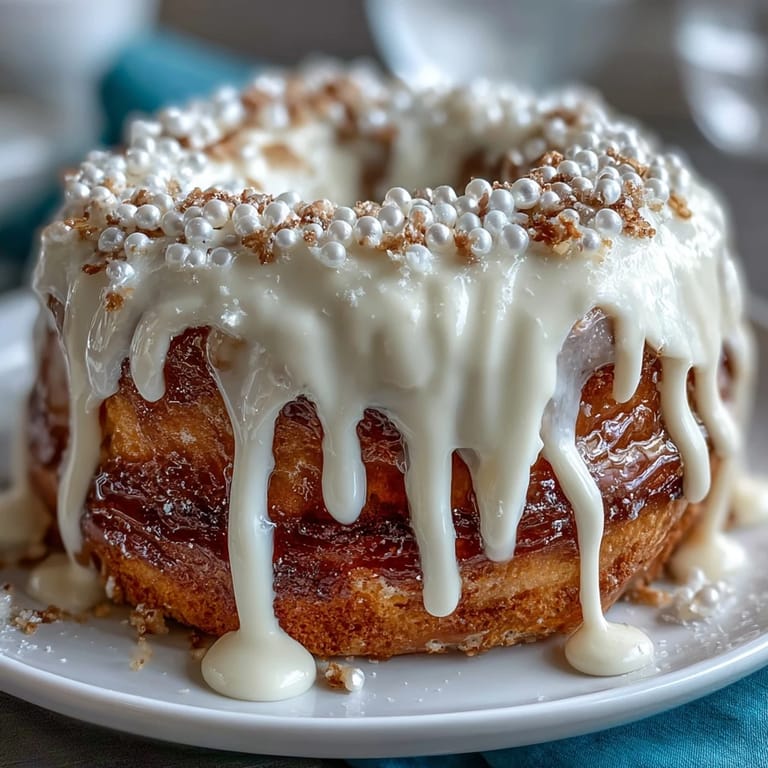
- Lightly brush small sections of fondant with water, then place edible pearls or sugar pearls in patterns—a cross, a chalice, a border—whatever tells your celebration story. Let the cake set for at least thirty minutes before serving.
 Save
Save When my cousin's daughter saw that cake sitting on the dessert table, her eyes went wide in that pure, unselfconscious way only children can manage. She called it her "princess cake," and later, when people were eating it and saying how moist it was, how the fondant wasn't at all hard or unpleasant, I felt this small, quiet pride. That's what matters—not that it looks fancy, but that it tastes like love and looks like celebration.
Baking Ahead Without Stress
One of the smartest things you can do is bake the cake the day before your event, wrap it tightly in plastic wrap, and store it at room temperature. The next morning, you frost and fondant without the pressure of also having just pulled a hot pan out of the oven. My neighbor does this for every celebration cake she makes, and she swears it's the secret to looking calm while achieving something complicated.
Working With Fondant Like You Know What You're Doing
Fondant intimidates people, but it's really just sugar paste that gets softer and more pliable the more you work it in your hands. If it cracks while you're draping it, just smooth those cracks with your fingertip and a tiny bit of water—they vanish like they never happened. The pearl luster dust transforms it from looking homemade to looking intentional, so don't skip that step even if it seems optional.
Serving Suggestions That Make It Sing
This cake is beautiful on its own, but it becomes memorable when you pair it with something fresh—fresh berries, a bright fruit coulis, or even a simple lemon curd on the side. For grown-ups, a glass of Moscato or Riesling alongside a slice creates a moment that feels a little more special than just dessert.
- The cake tastes even better the next day once all the flavors have settled and mingled together.
- Store any leftover cake covered at room temperature for up to two days, or refrigerate it for up to five days if you're dealing with a warm kitchen.
- If you want to substitute almond extract for half the vanilla, it creates a more delicate, almost ethereal flavor that some people find even more elegant.
 Save
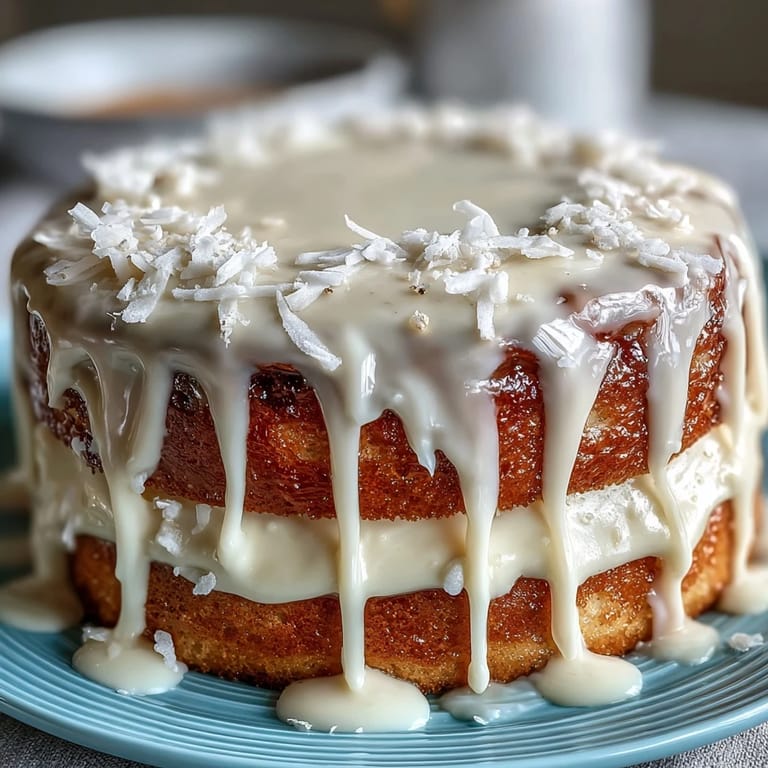
Save Making this cake is a quiet act of care disguised as baking, and every time someone tastes it and says how moist it is or comments on how gorgeous it looks, you'll remember why you spent that afternoon learning to work with fondant. It becomes less about the recipe and more about the moment you created.
Recipe Questions & Answers
- → What flour type is best for this cake?
All-purpose flour gives the right balance of structure and tenderness, ensuring a moist crumb.
- → How do you prevent the fondant from cracking?
Apply a smooth, even layer of buttercream before draping the fondant to help it adhere and prevent cracks.
- → Can this cake be prepared in advance?
Yes, bake the cake a day ahead, wrap tightly, then decorate shortly before serving for freshness.
- → What enhances the pearl fondant's shine?
Brushing a light mixture of corn syrup and water enhances the fondant's natural luster.
- → How should leftovers be stored?
Keep leftovers covered in a cool place or refrigerated up to three days to maintain freshness.