 Save
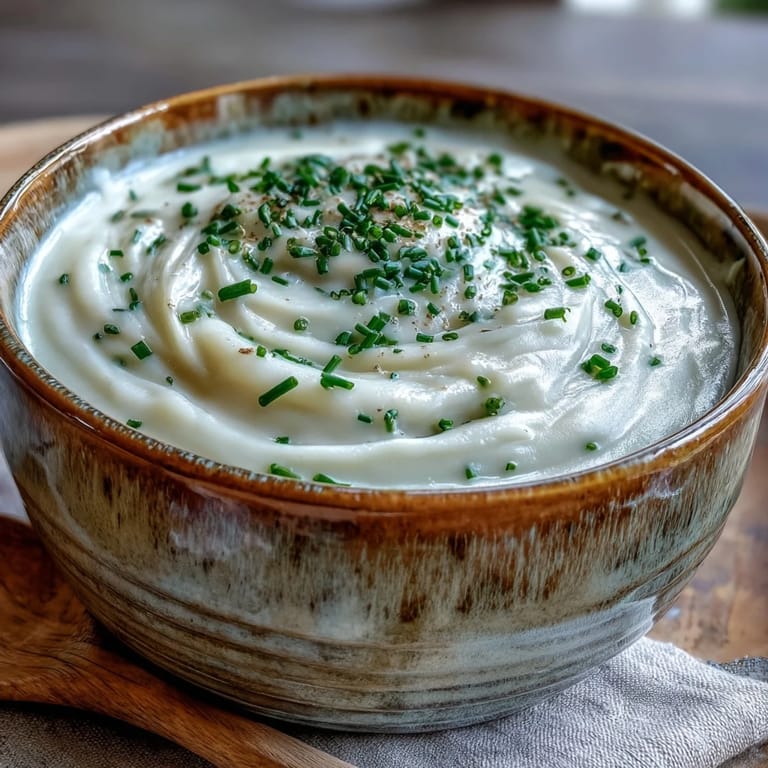
Save There's something about the way leeks soften in butter that makes me pause and actually pay attention in the kitchen—no rushing, just listening to them whisper against the pot. My neighbor stopped by one autumn afternoon with a bunch of leeks from her garden, and I'd never really cooked with them before, only seen them in fancy restaurant menus. By the time I'd made this soup, I understood why she grew them so deliberately, why she saved them for moments when cooking felt like it mattered.
I made this for my partner on one of those nights when everything felt heavy, and they ate three bowls in near silence, which is the highest compliment I've ever received. Funny how a simple soup can shift the whole mood of a conversation—suddenly we were planning a garden together, talking about growing our own vegetables, things that felt impossible five minutes before the meal.
Ingredients
- 3 medium leeks (white and light green parts only), thoroughly cleaned and sliced: This is where patience pays off—grit hides between the layers, so slice lengthwise first, then into half-moons, and rinse under running water while separating the layers with your fingers.
- 2 tablespoons unsalted butter: Real butter makes a noticeable difference here; it builds the gentle sweetness that makes this soup feel comforting rather than one-note.
- 1 medium yellow onion, diced: A softer base note that lets the leeks shine instead of competing with them.
- 3 medium Yukon Gold potatoes, peeled and diced (about 600 g): These varieties break down into creaminess without turning to mush, which sounds simple until you've made it with the wrong potato and gotten something grainy.
- 2 cloves garlic, minced: Just enough to whisper in the background—don't skip this step because garlic at the right moment changes everything.
- 4 cups (1 liter) low-sodium vegetable broth: Low-sodium lets the vegetables flavor the soup rather than salt drowning out the subtlety.
- 1 cup (240 ml) whole milk or heavy cream: The difference between the two is how luxurious you want to feel; cream is like wrapping yourself in a blanket, milk is lighter but still creamy.
- 1 bay leaf: It seems unnecessary until you taste what it does—a quiet backbone holding everything together.
- 1 teaspoon salt, or to taste: Always taste and adjust at the end; the broth might already be saltier than you expect.
- 1/2 teaspoon freshly ground black pepper: Freshly ground tastes alive in a way pre-ground can't quite capture.
- 1/4 teaspoon ground nutmeg (optional): A tiny pinch transforms the soup into something almost luxurious if you're feeling it.
- 2 tablespoons chopped fresh chives or parsley: The green on top isn't decoration—it's a flavor wake-up call that cuts through the richness.
- Drizzle of olive oil or swirl of cream (optional): A final flourish that makes it look like you really know what you're doing.
Tired of Takeout? 🥡
Get 10 meals you can make faster than delivery arrives. Seriously.
One email. No spam. Unsubscribe anytime.
Instructions
- Prepare your leeks with real care:
- Slice them lengthwise from root to tip, then into thin half-moons, keeping them in a bowl of cold water while you work. Separate the layers and rinse thoroughly between them—this is where hidden grit lives, and one gritty spoonful will haunt you for the entire meal.
- Build the foundation with butter and patience:
- Melt butter in your pot over medium heat, then add leeks and onion, stirring occasionally. You're looking for them to turn soft and translucent without browning, about 7 minutes—this isn't the time to rush, so actually take it slowly.
- Add the garlic at exactly the right moment:
- Once the leeks and onion are soft, add minced garlic and cook for just one minute until fragrant. Any longer and it turns bitter; any shorter and you miss the point.
- Bring everything together:
- Stir in the diced potatoes, bay leaf, and vegetable broth. Bring it all to a boil, then immediately lower the heat to a simmer, cover the pot, and let it cook for 20 to 25 minutes until the potatoes are so tender they fall apart when you touch them with a spoon.
- Blend into silkiness:
- Remove the bay leaf and either use an immersion blender right in the pot (my preferred method because it feels less fussy) or carefully transfer the soup in batches to a countertop blender and purée until smooth. Don't skip the blending—that's what transforms it from vegetable soup into something that feels intentional.
- Finish with cream and season to perfection:
- Stir in your milk or cream and warm it through gently without letting it boil. Taste it now and adjust the salt, pepper, and add that tiny pinch of nutmeg if you want to feel a little fancy.
- Serve it with intention:
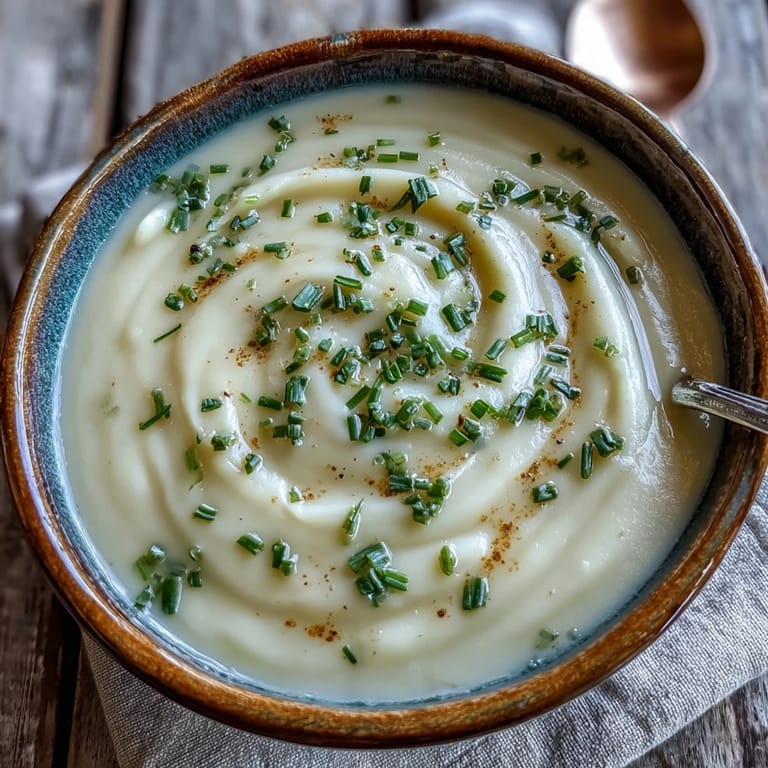
- Ladle into bowls and top with chopped chives or parsley, finishing with a drizzle of olive oil or a small swirl of cream if the mood strikes you.
 Save
Save  Save
Save There's a moment while the soup simmers when your entire kitchen smells like something from a countryside inn, and suddenly you're not making lunch—you're creating an experience. It struck me that cooking isn't really about following instructions; it's about showing up for people with something warm in a bowl.
Why Blending Changes Everything
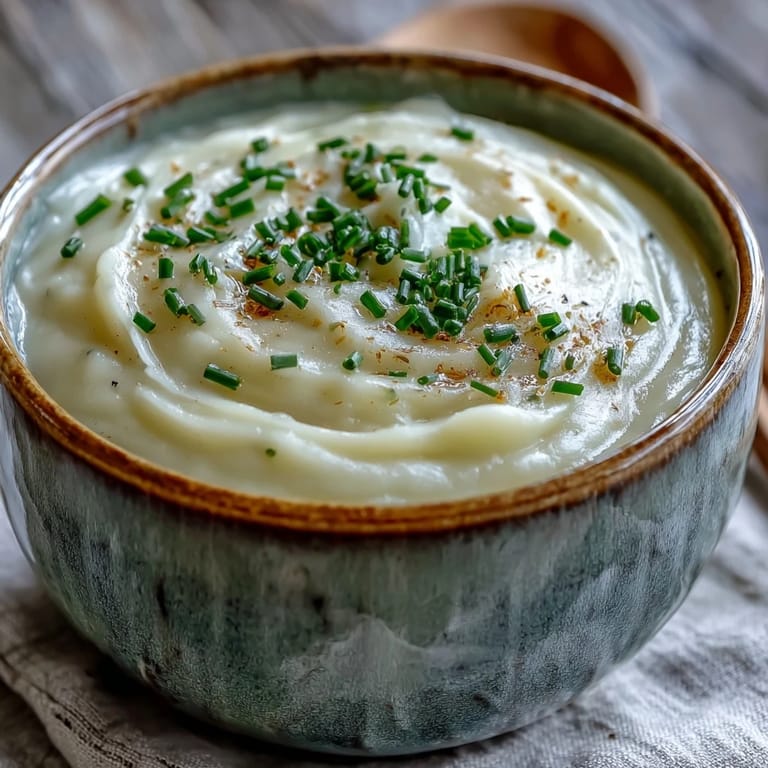
The first time I made this soup, I skipped the blending step because the potatoes were tender and I figured it would be fine chunky. It wasn't. The moment I realized my mistake and blended it properly, the entire character of the soup transformed—suddenly the leeks and potatoes became one unified, velvety thing instead of separate ingredients in broth. That's when I understood that blending isn't about being fancy; it's about honoring the ingredients by letting them become something greater together.
The Temperature Sweet Spot
Here's something I learned the hard way: if you boil the soup after adding cream, it breaks slightly and the texture turns grainy instead of smooth. Keep the heat at medium or lower once the cream goes in, warming it through until it just starts to steam. You want it hot enough to be comforting but gentle enough that the cream stays creamy, not separated and weird.
Variations That Actually Work
The beauty of this soup is that it's a canvas for whatever you're craving or whatever you have on hand. A splash of white wine after sautéing the leeks adds a subtle sophistication that makes people wonder what your secret ingredient is. Crispy bacon bits scattered on top turn it into something heartier, or you can roast some leeks separately as a garnish for extra flavor. For a vegan version, olive oil swaps for butter and plant-based cream tastes surprisingly good here—I've made it both ways for different people and both are legitimate.
 Save
Save 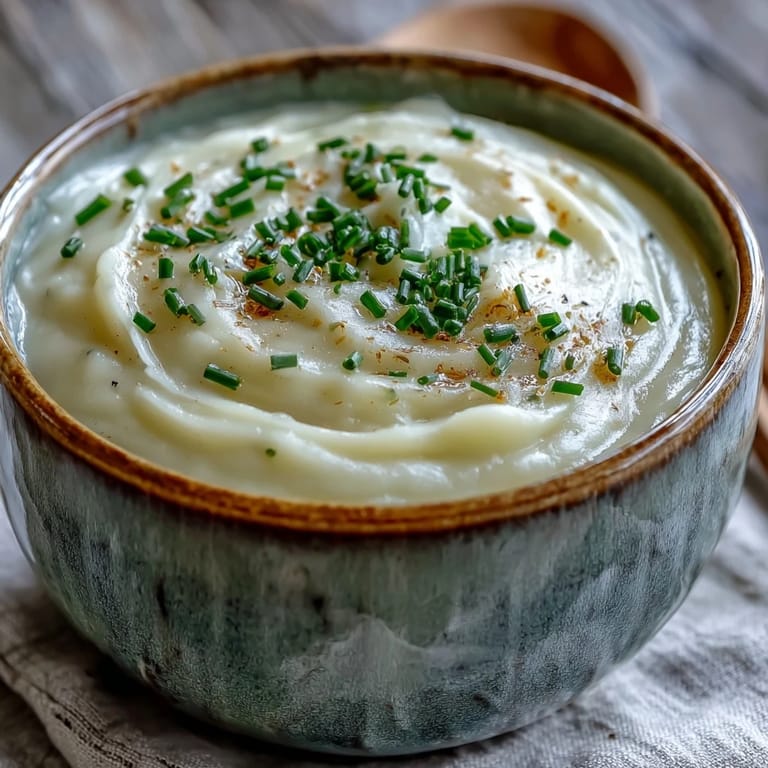 Save
Save This soup has become the thing I make when I want to feel grounded or when someone needs comfort without the fuss of a full meal. It's simple enough that you'll make it again, but real enough that people will remember you made it.
Recipe Questions & Answers
- → Can I make this soup dairy-free?
Yes, simply replace the butter with olive oil and use your favorite plant-based milk or cream alternative. Coconut cream works particularly well for a rich texture.
- → What type of potatoes work best?
Yukon Gold potatoes are ideal because they create a naturally creamy texture when blended. Russet potatoes also work well and produce a slightly lighter consistency.
- → How do I properly clean leeks?
Slice leeks lengthwise and rinse thoroughly under cold running water, separating the layers to remove any hidden dirt or grit trapped between them.
- → Can I freeze potato leek soup?
Yes, this soup freezes well for up to 3 months. Cool completely before freezing, and reheat gently on the stovetop, adding a splash of broth or cream if needed to restore consistency.
- → How can I add more flavor depth?
Add a splash of dry white wine after sautéing the aromatics, or incorporate fresh thyme sprigs while simmering. Topping with crispy bacon or croutons adds wonderful texture contrast.
- → Why is my soup too thin or too thick?
Adjust consistency by adding more broth to thin or simmering uncovered to thicken. The potato starch naturally thickens as it cooks, and blending intensifies this effect.