 Save
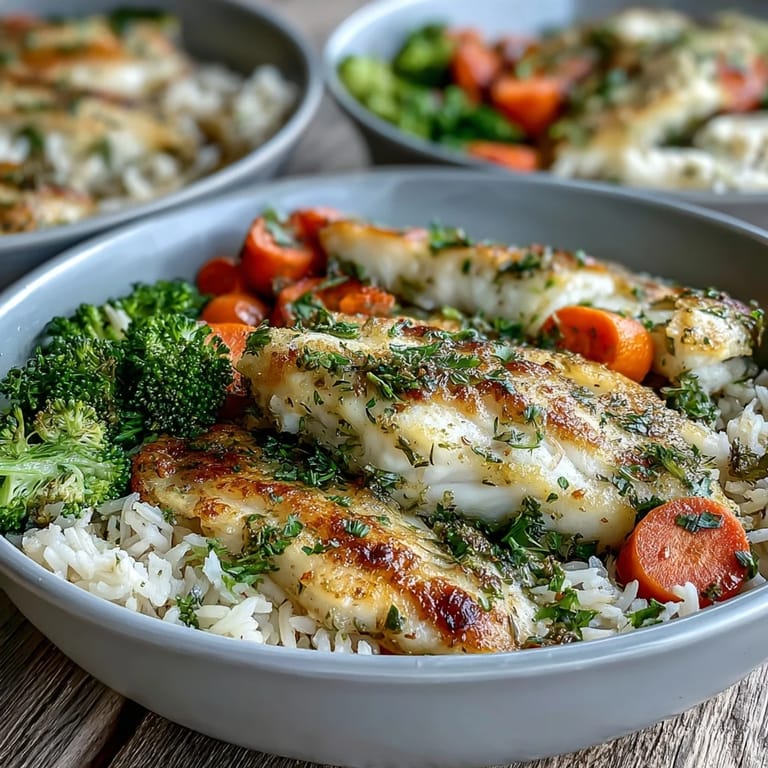
Save There's something quietly satisfying about pulling a baking sheet from the oven and seeing tilapia fillets turn from translucent to opaque, their edges just beginning to crisp. I discovered this bowl on a Tuesday evening when I was tired of overthinking dinner and needed something that felt nourishing without demanding hours at the stove. The beauty of it isn't in complexity but in how each component—tender fish, fluffy rice, bright vegetables—speaks for itself without needing elaborate sauces or techniques. It became my go-to when friends mentioned wanting to eat better, because somehow this plate makes health feel effortless rather than restrictive.
I served this to my sister last spring when she was visiting and mentioned feeling sluggish from takeout overload. Watching her lean over the bowl, the steam rising from the herbs and lemon, and hearing her say it was exactly what she needed—that's when I realized this recipe had crossed from easy weeknight dinner into something people actually crave. She's made it probably twenty times since then, texting me photos of her variations with different herbs or vegetable swaps.
Ingredients
- Tilapia fillets (4 pieces, about 150 g each): Choose fillets that are roughly the same thickness so they cook evenly, and don't skip patting them dry—that's what gives them the ability to brown slightly instead of steaming.
- Olive oil (3 tbsp total): Use a decent quality for the herb mixture since it's a main flavor carrier, but save the fancy stuff for finishing if you want.
- Lemon juice (1 tbsp): Fresh is better than bottled here, and it brightens everything without making the fish taste fishy.
- Dried Italian herbs (2 tsp): If you have fresh herbs, use about three times as much and add them right before baking so they don't lose their character.
- Garlic powder (1/2 tsp): Just enough to whisper in the background without announcing itself loudly.
- Salt and black pepper: Season in layers—once on the fish, once more if you're tossing the vegetables—because one pinch at the end never distributes properly.
- Long-grain white rice (1 cup): Brown rice works beautifully too if you want extra fiber, but it needs the full 35-40 minutes and a touch more water.
- Water (2 cups for rice): The ratio of 2:1 is reliable, though different stovetops behave differently, so listen for when the sizzle quiets down.
- Broccoli florets (2 cups): Cut them roughly the same size so they steam evenly and don't turn to mush while you're waiting for the bigger pieces.
- Carrots (2, peeled and sliced): Slice them on a slight bias so they cook faster and look more intentional on the plate.
Tired of Takeout? 🥡
Get 10 meals you can make faster than delivery arrives. Seriously.
One email. No spam. Unsubscribe anytime.
Instructions
- Set your oven breathing:
- Preheat to 200°C (400°F) and line a baking sheet with parchment paper—this prevents sticking and makes cleanup feel like a gift to your future self. If you don't have parchment, a light coating of oil works fine.
- Prepare the tilapia for its moment:
- Pat each fillet completely dry with paper towels because moisture is the enemy of any nice browning. In a small bowl, whisk together olive oil, lemon juice, dried herbs, garlic powder, salt, and pepper until it looks like a loose paste, then brush this mixture generously on both sides of each fillet.
- Get the fish in the oven:
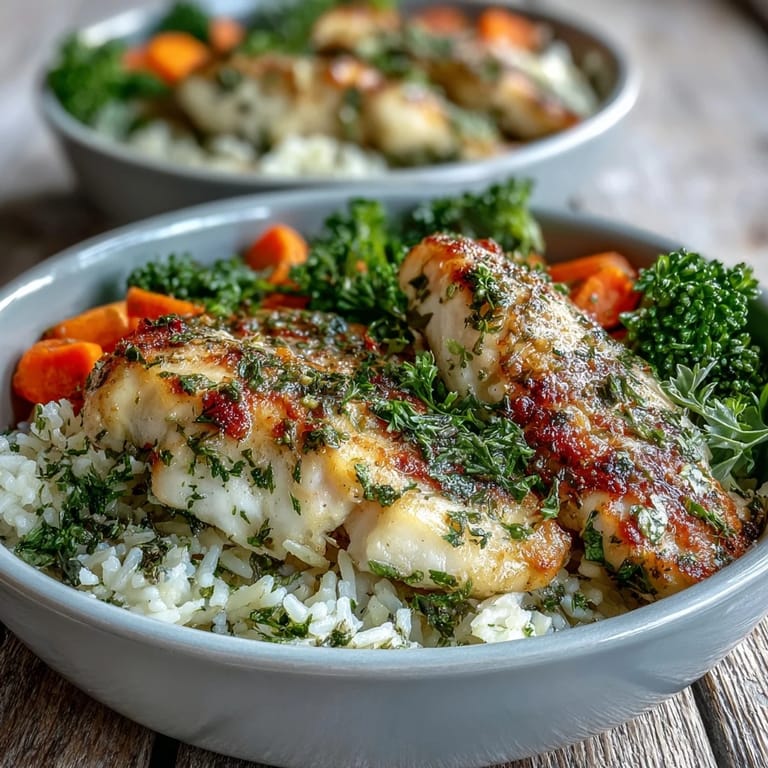
- Place the seasoned fillets on your prepared baking sheet with some space between them so heat can circulate. They'll bake for 12-15 minutes until the flesh flakes easily when you press it gently with a fork—don't wait for them to look cooked through from outside, because they'll keep cooking slightly after you pull them out.
- Start the rice while fish bakes:
- Bring 2 cups of water and 1/2 tsp salt to a boil in a saucepan, then add the rice, stir once, reduce heat to low, cover, and leave it undisturbed for 15-18 minutes if using white rice. The steam does the work, so resist the urge to peek constantly.
- Steam the vegetables gently:
- Fill a pot with about an inch of water and bring it to a gentle simmer, then place your steamer basket on top and add broccoli and carrots. Steam for 5-7 minutes until they're bright and tender but still have a bit of resistance when you bite them—oversteamed vegetables lose their sweetness.
- Build your bowl with intention:
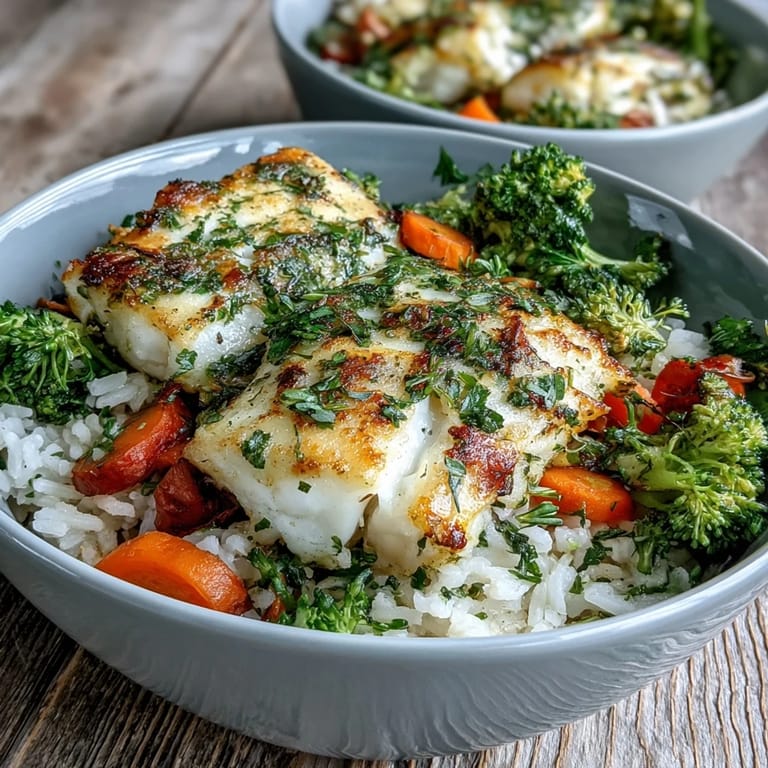
- Fluff the rice with a fork and divide it among four bowls, then top each with a tilapia fillet and a generous handful of steamed vegetables. If you're tossing the vegetables with a little olive oil and fresh seasoning, do that just before serving so everything feels warm and intentional.
 Save
Save There's a moment that happens almost every time I make this—someone takes the first bite and you see their shoulders drop slightly, like they've just given themselves permission to relax. That's when I know a recipe has done what it's supposed to do: feed not just the body but also the part of us that's been rushing through the day.
Flavor Layers That Work
The reason this bowl feels complete is because each element was chosen to support rather than compete. The rice is mild enough to let the tilapia shine, the lemon cuts through any richness, the herbs add earthiness, and the vegetables bring color and texture without overwhelming. I learned early on that when you're working with a delicate fish, simple seasoning is actually the sophisticated choice.
Making It Your Own
The framework here is solid, but it's also a canvas. I've made this with fresh dill when I had it on hand, added a splash of white wine to the herb mixture, swapped cod for tilapia on weeks when it looked fresher, and even switched the rice for quinoa when I wanted something nuttier. The magic isn't in following it exactly—it's in understanding why each component is there and feeling confident enough to adjust based on what your kitchen holds.
Cooking Notes from Experience
Timing is less stressful than it sounds because everything works in parallel—while the fish bakes, the rice simmers, and you can steam vegetables in the last few minutes. The one thing I always do is bring everything to temperature before plating, because lukewarm rice with hot fish feels careless. If you're cooking for people with different preferences, you can season individual components to taste rather than dressing everything the same way.
- Fresh herbs sprinkled on top just before serving add a brightness that dried herbs simply can't replicate.
- A squeeze of lemon or even a tiny drizzle of good olive oil at the table makes everyone feel like they're finishing it themselves.
- Leftovers work surprisingly well cold the next day if you keep components separate, though the rice tends to firm up.
 Save
Save This bowl became something I make when I want to prove to myself that taking care of feels easy rather than exhausting. It's the kind of meal that quietly reminds you that simple, real food cooked without fuss might be exactly what you needed all along.
Recipe Questions & Answers
- → What temperature should I bake the tilapia?
Bake the tilapia at 200°C (400°F) for 12–15 minutes, until the fish flakes easily with a fork.
- → Can I use brown rice instead of white rice?
Yes, brown rice works well and adds fiber. Cook brown rice for 35–40 minutes instead of 15–18 minutes for white rice.
- → What other fish can I substitute for tilapia?
Cod or haddock make excellent substitutes with similar cooking times and mild flavor profiles.
- → How do I know when the tilapia is done?
The tilapia is finished when it flakes easily with a fork and appears opaque throughout rather than translucent.
- → Can I roast the vegetables instead of steaming?
Yes, you can roast the broccoli and carrots at 200°C (400°F) for 15–20 minutes with a little olive oil for a deeper, caramelized flavor.
- → Is this bowl freezer-friendly?
The cooked components can be stored separately in the freezer for up to 3 months, though the rice may become slightly softer upon reheating.