 Save
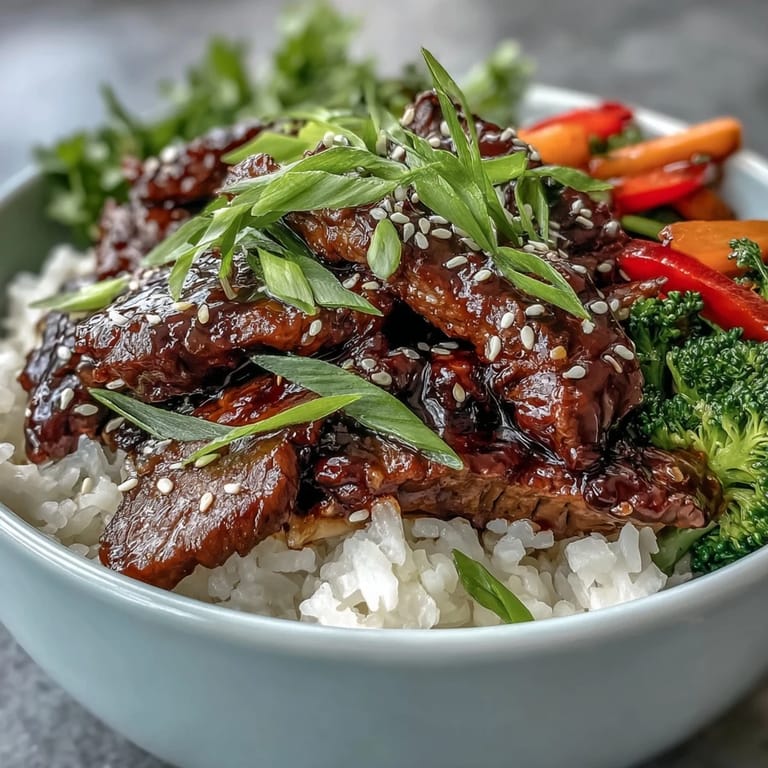
Save My neighbor handed me a takeout container one evening and said, "Try this, then tell me if you can make it at home." It was a teriyaki beef bowl, and I became slightly obsessed. The glossy sauce clinging to each strip of beef, the way the heat from the rice made the whole thing steam—I had to figure it out. Turns out, it's simpler than any restaurant would have you believe, and once you nail the sauce, you'll never order it again.
I made this for my partner one Tuesday after a long day, and he asked if I'd picked it up from the Japanese place downtown. That moment—when he realized I'd cooked it—made the whole thing worth it. Now it's become our go-to when we want something that feels special but doesn't demand hours in the kitchen.
Ingredients
- Flank steak or sirloin, thinly sliced (500 g / 1.1 lbs): The slicing matters more than you'd think; partially freeze the beef for 30 minutes first so your knife glides through cleanly without shredding the fibers.
- Cornstarch (1 tbsp for beef, plus 1 tbsp for slurry): This is your secret weapon for a glossy sauce and tender beef that won't toughen up during the high-heat cooking.
- Vegetable oil (1 tbsp): Use something neutral like canola or grapeseed so the beef and sauce take center stage.
- Soy sauce (80 ml / 1/3 cup): This is the backbone; don't skimp on quality because you'll taste every drop.
- Mirin (60 ml / 1/4 cup): The sweetness balances the salt beautifully, creating that addictive glossy finish.
- Honey or brown sugar (2 tbsp): Adds depth and helps the sauce cling to the beef with that restaurant shine.
- Rice vinegar (2 tbsp): A tiny bit of brightness that cuts through the richness and keeps the sauce from feeling flat.
- Garlic and ginger (2 cloves minced garlic, 1 tsp grated ginger): Freshly minced garlic and grated ginger transform this from adequate to unforgettable.
- Carrots, bell pepper, and broccoli: The vegetables should have a slight bite when they hit the plate; overcooking them turns the bowl mushy.
- Spring onions (2, sliced, plus extra for garnish): Adds a fresh, sharp note that contrasts the sweet-savory sauce.
- Sesame seeds (1 tbsp): Toast them lightly in a dry pan first for a nutty flavor that anchors the whole dish.
- Cooked rice (2 cups white or brown): Warm rice absorbs the sauce beautifully; cold rice will dampen the experience.
Tired of Takeout? 🥡
Get 10 meals you can make faster than delivery arrives. Seriously.
One email. No spam. Unsubscribe anytime.
Instructions
- Build your sauce foundation:
- Combine soy sauce, mirin, honey, rice vinegar, garlic, and ginger in a small saucepan and bring to a gentle simmer over medium heat. The kitchen will smell incredible—that's your signal you're on the right track.
- Thicken the sauce:
- Whisk your cornstarch slurry (cornstarch mixed with water) into the simmering sauce and let it bubble away for 2 to 3 minutes until it coats the back of a spoon. It should look glossy, not watery, and feel silky between your fingers when you test it.
- Coat and cook the beef:
- Toss your sliced beef with cornstarch in a bowl until each piece is lightly dusted. Heat oil in a large skillet or wok over high heat until it shimmers, then add the beef and let it sit for 30 seconds before stirring—this creates those browned edges you crave.
- Brown the beef through:
- Stir-fry the beef for 2 to 3 minutes until the edges are caramelized but the center is still tender. Don't crowd the pan or the beef will steam instead of sear; work in batches if needed.
- Sauté the vegetables:
- Push the beef to the side, add carrots, bell pepper, and broccoli to the same skillet, and stir-fry for 3 to 4 minutes until they're tender but still have a slight crunch. You want them to stay vibrant and firm, not soft.
- Bring it all together:
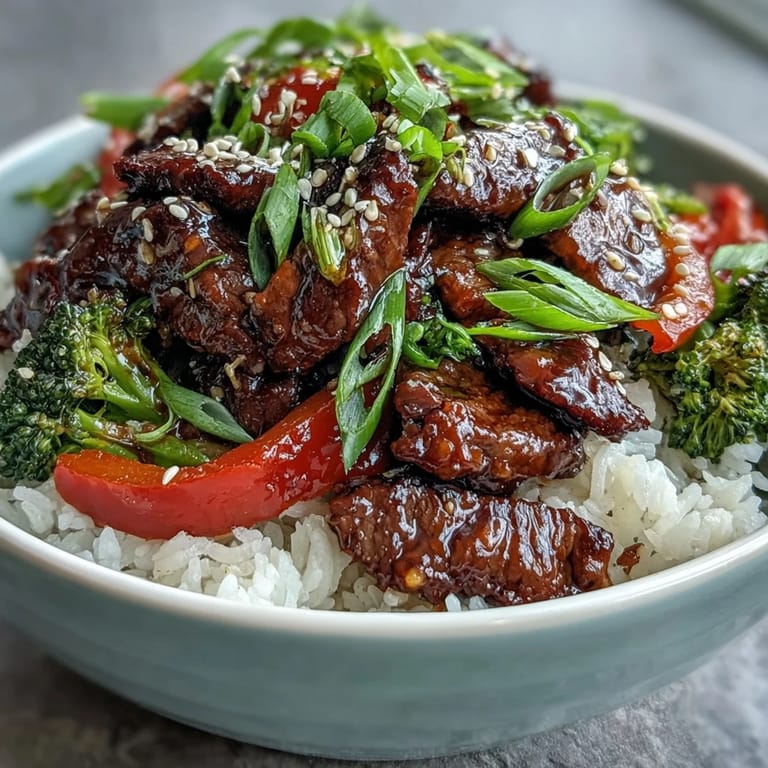
- Return the beef to the skillet, pour the teriyaki sauce over everything, and toss gently for about 1 minute until every piece is coated in that glossy glaze. The heat will warm the sauce and marry all the flavors.
- Plate and finish:
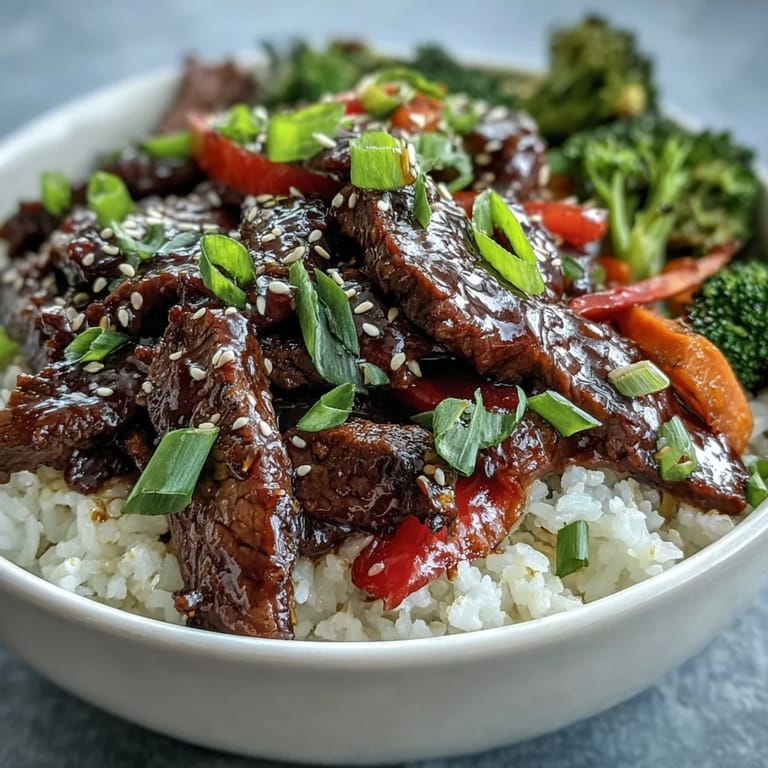
- Divide the warm rice among bowls, top with the beef and vegetable mixture, then scatter sliced spring onions and toasted sesame seeds over the top. Serve immediately while everything is still steaming.
 Save
Save There's a moment when you pour the sauce over the beef and vegetables, and everything comes together in a cloud of steam. That's when you know why this dish has survived centuries of cooking and adaptation—it just works.
Why This Sauce Works
The magic happens when sweet, salty, and acidic elements balance in one sauce. Mirin and honey provide sweetness without cloying; soy sauce brings umami depth; rice vinegar adds brightness that prevents the whole thing from feeling heavy. The cornstarch slurry isn't just thickening—it's creating a velvety coating that clings to every surface and releases flavor with each bite.
Beef Selection and Preparation
Flank and sirloin are ideal because they're lean, tender when sliced thinly against the grain, and cook quickly without drying out. I learned this the hard way when I once used a tougher cut and ended up with chewy beef no amount of sauce could rescue. The cornstarch coating does two things: it helps the beef brown beautifully by creating a slight seal, and it keeps the interior tender even under high heat.
Vegetable Timing and Texture
The vegetables add color, nutrition, and textural contrast, but timing is everything. Too long in the pan and they become soft and forgettable; too short and they taste raw and unfinished. I stir-fry them separately from the beef because beef needs aggressive, sustained heat while vegetables benefit from quicker, gentler cooking that preserves their crunch and brightness.
- Julienne your carrots thin so they cook through without toughening.
- Cut broccoli into small florets so the heat reaches the center without overcooking the outer edges.
- Add the spring onions and sesame seeds after plating so they stay fresh and add a final burst of flavor.
 Save
Save This bowl has become my answer to cravings I used to satisfy by ordering out. It's fast, it's beautiful, and it tastes like you spent more time than you actually did.
Recipe Questions & Answers
- → What cut of beef works best for teriyaki bowls?
Flank steak and sirloin are excellent choices because they're lean and slice beautifully into thin strips against the grain. The quick cooking method keeps these cuts tender while developing a nice sear.
- → Can I make the teriyaki sauce ahead of time?
Absolutely. Prepare the sauce up to a week in advance and store it in an airtight container in the refrigerator. Reheat gently before using, whisking in a splash of water if it has thickened too much.
- → How do I get the beef tender?
Coating the beef slices in cornstarch before cooking creates a protective layer that seals in moisture. Cook over high heat quickly—just 2-3 minutes—to avoid overcooking and toughening the meat.
- → What vegetables can I substitute?
Snap peas, edamame, shiitake mushrooms, bok choy, or snow peas all work wonderfully. The key is to choose vegetables that cook quickly and maintain a pleasant crunch when stir-fried.
- → Is this dish gluten-free?
Traditional teriyaki sauce contains soy sauce which has wheat. To make this gluten-free, simply substitute tamari or a certified gluten-free soy sauce. Always check labels on condiments like mirin as well.