 Save
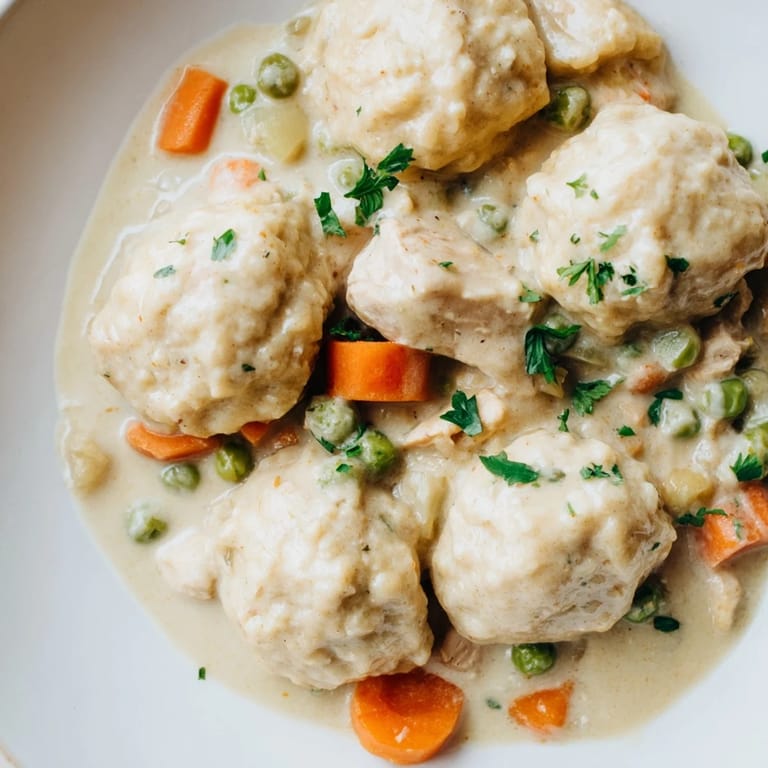
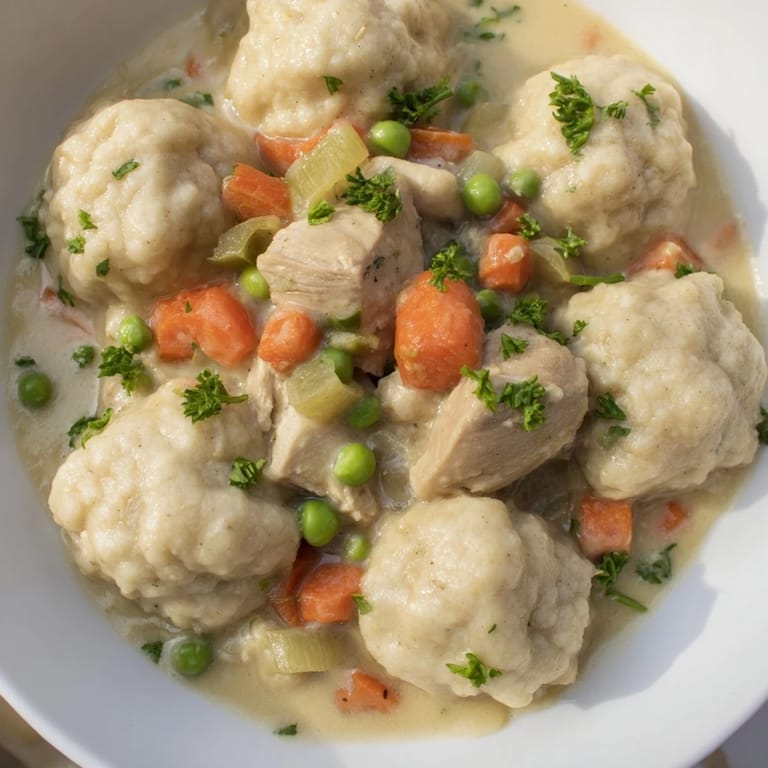
Save There's something about chicken and dumplings that stops time in a kitchen. My mom made it on the first real cold day of autumn, and the whole house filled with this golden steam that made everything feel safe. I watched her drop those biscuit-like dumplings into the bubbling broth like she was placing tiny treasures, and I understood then why comfort food is called that. It's not just about hunger—it's about being held by warmth.
I made this for my dad's birthday dinner during a snowstorm when we were snowed in together. The power flickered twice, but the Dutch oven held steady on that gas flame, and we sat at the kitchen table waiting for those dumplings to puff up, talking about nothing important. When I ladled it into bowls, he closed his eyes with the spoon halfway to his mouth. That's when I knew I'd gotten it right.
Ingredients
- Boneless, skinless chicken thighs or breasts (2 lbs): Thighs stay juicier through long cooking, but breasts work if you watch them closely—pull them out the moment they're cooked through to avoid drying them out.
- Unsalted butter and olive oil (2 tbsp each): The combination creates a richer sauté base than either one alone; butter adds flavor, oil prevents burning.
- Onion, carrots, and celery (1 large onion, 3 medium carrots, 2 celery stalks): This trio is called mirepoix, and it's the flavor foundation—don't skip or rush the sautéing step.
- Garlic (3 cloves): One minute in hot oil is all it needs; any longer and it turns bitter and ruins the entire pot.
- All-purpose flour (1/4 cup): This thickens the broth without cream becoming the star; it needs to cook for two minutes to lose its raw taste.
- Low-sodium chicken broth (6 cups): Use the good stuff you'd actually drink—this is where half the flavor comes from.
- Whole milk or heavy cream (1 cup): Cream makes it richer and more restaurant-like, but milk keeps it lighter and still delicious.
- Dried thyme, bay leaf, salt, and pepper: Thyme whispers rather than shouts; the bay leaf adds depth you won't name but will taste.
- Frozen peas (1 cup) and fresh parsley (2 tbsp): Add these at the end so they stay bright and don't turn to mush.
- All-purpose flour (2 cups), baking powder (1 tbsp), salt (1 tsp) for dumplings: Mix these dry, then add butter and milk—overmixing develops gluten and makes them dense, the enemy of fluffy dumplings.
Tired of Takeout? 🥡
Get 10 meals you can make faster than delivery arrives. Seriously.
One email. No spam. Unsubscribe anytime.
Instructions
- Build Your Base:
- Heat butter and oil in your Dutch oven over medium heat, then add the onion, carrots, and celery. Let them soften for five minutes, listening for that gentle sizzle—this is where the magic starts, vegetables releasing their sweetness into the fat.
- Wake Up the Garlic:
- Stir in minced garlic and cook just one minute until fragrant, staying close so you catch it before it browns and turns acrid.
- Make the Thickening Paste:
- Sprinkle flour over the vegetables and stir constantly for two minutes. You want to cook out the raw flour taste without letting anything brown; this is called making a roux, and it's non-negotiable.
- Smooth Out the Broth:
- Pour in your chicken broth slowly while stirring, breaking up any flour lumps as they appear. Going slowly prevents those stubborn little balls that ruin the texture.
- Simmer the Chicken:
- Add chicken pieces along with thyme, bay leaf, salt, and pepper. Bring to a boil, then drop the heat and cover, letting it simmer for twenty minutes until the chicken shreds easily with a fork.
- Cream and Season:
- Remove the bay leaf, then pour in milk or cream, add peas and parsley, and taste for salt. Let it keep a gentle simmer while you make the dumplings—this waiting period actually improves the flavor.
- Make Dumpling Dough:
- Whisk flour, baking powder, and salt together in a bowl. Add melted butter and milk, stirring just until the dough comes together rough and shaggy—this is the moment to stop, even if tiny flour streaks remain visible.
- Float the Dumplings:
- Drop spoonfuls of dough directly onto the simmering stew surface, spacing them so steam can circulate around each one. They'll look small and unpromising at first.
- The Crucial Wait:
- Cover the pot tightly and simmer on low heat for exactly fifteen minutes without lifting the lid—that escaping steam is cooking the dumplings from above, and peeking ruins everything.
- Finish and Serve:
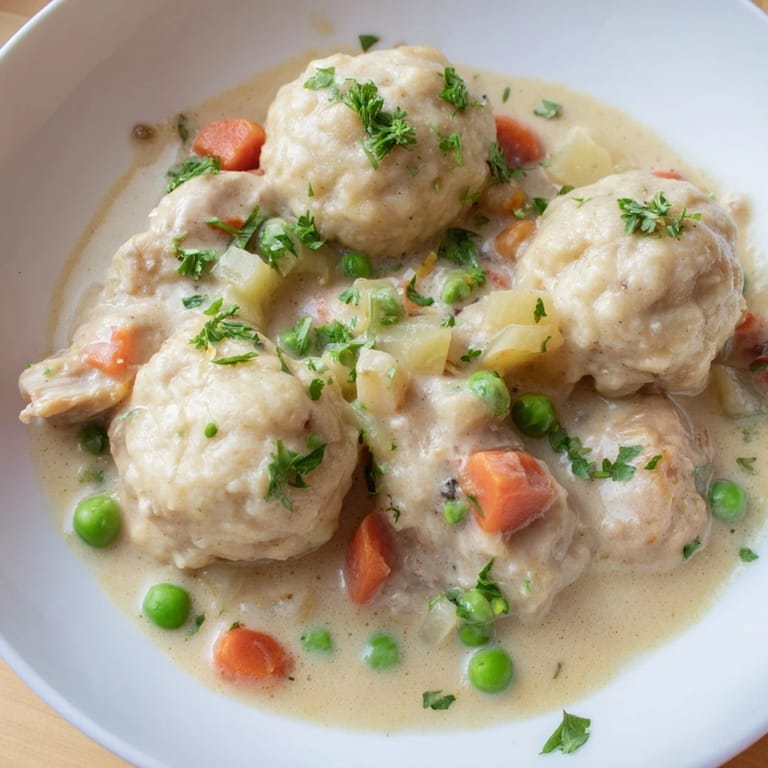
- When the timer goes off, lift the lid carefully away from your face to avoid the steam burst, and check that dumplings are puffed and set. Taste, adjust seasoning, ladle into bowls with a dumpling on top of each, and garnish with fresh parsley.
 Save
Save My grandmother served this during family crisis—nothing fancy, just a pot of it on the stove while we waited for test results and good news. The act of eating it together, passing bowls around, saying 'here, have more,' felt like a small prayer. Food doesn't fix hard things, but it reminds you that you're not alone while things are hard.
The Art of the Dumpling
Dumplings are not biscuits, though they look like cousins. The difference is in how you treat the dough—biscuits want a light hand and cold butter, but dumplings live in steam, so they need enough liquid to stay tender and enough baking powder to stay light. The moment your spoon hits that dough, stop mixing. Overworking it is the only real mistake you can make.
Variations That Work
I've added white wine to the broth on nights when I wanted something that felt a little more grown-up, and it adds a subtle brightness. Some people swap half the chicken for turkey or add fresh mushrooms to the sauté stage. You can use half-and-half instead of heavy cream if you're watching calories, and honestly, it's still remarkable. The core of this dish is strong enough to handle adjustments without falling apart.
Timing and Make-Ahead
You can make the stew base hours ahead, even the day before, and refrigerate it—just reheat it gently before dropping in dumplings. The dumplings themselves must be made fresh and cooked immediately before serving, or they'll get soggy from the steam. Plan your timing so you're dropping them in about fifteen minutes before you want to eat. This recipe teaches patience in the best way: the longer it simmers before the dumplings go in, the more the flavors meld into something greater than their parts.
- Make the stew in the morning, cool it, and refrigerate until dinner time.
- Prepare dry dumpling ingredients ahead, then mix with butter and milk just before cooking.
- One Dutch oven handles the whole meal from start to finish—no extra dishes until you're eating.
 Save
Save This is the kind of recipe that becomes your own after you make it twice. Make it for yourself first, then make it for someone you love on a day when they need it.
Recipe Questions & Answers
- → What cut of chicken works best?
Boneless, skinless chicken thighs or breasts provide tender, flavorful meat ideal for stewing in this dish.
- → How do I ensure fluffy dumplings?
Mix dumpling ingredients gently to avoid overworking, then simmer covered without lifting the lid to allow them to puff properly.
- → Can I substitute milk with cream?
Yes, using whole milk or heavy cream both contribute to the creamy texture of the broth, depending on your preference.
- → What herbs enhance the flavor?
Dried thyme and fresh parsley add fragrant, herbal notes that complement the savory stew and dumplings.
- → Is it possible to make this dish lighter?
Using half-and-half or low-fat milk and reducing butter can lighten the dish while maintaining rich flavors.